
Winter is often perceived as a dormant period for gardens. Yet it presents an ideal opportunity to upgrade your garden hardscaping for the upcoming spring.
Hardscaping is often referred to as the non-living elements of your garden, i.e. the paths, patios, raised beds etc. Getting this right can significantly enhance the overall aesthetic and functionality of your garden.
But getting it right involves a lot of planning and preparation.
Let’s delve into how to plan and implement hardscaping elements this winter.
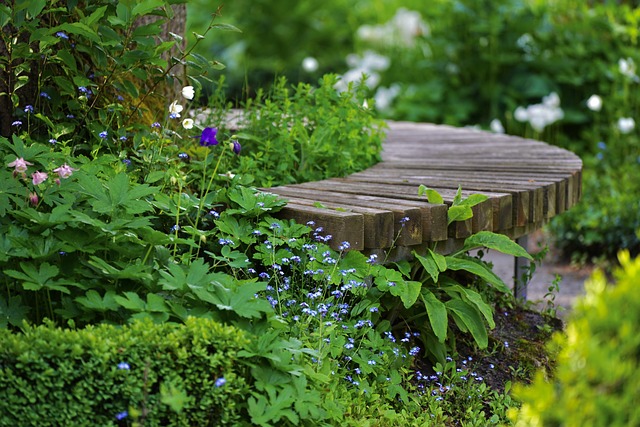
Why Winter is the Perfect Time for Hardscaping
Winter offers a unique window to plan and execute hardscaping projects. The absence of lush foliage and your garden being essentially down to its bare bones, provides you with a clear unabridged view of both your garden’s layout and more importantly its potential.
In the dark days of winter, you needn’t worry too much about damaging blooming flowers, or ruining the lawn. These will bounce back quickly in the spring.
And finally, what better time to curl up indoors with a landscaping book to give you plenty of inspiration!
Planning Your Hardscape
Before diving into the practicalities of hardscaping, it’s essential to define your goals. What do you envision your garden to be? A serene retreat, a vibrant entertainment space, or a functional outdoor living area? Whichever vision is yours, will guide your choice of materials, design, and layout.
Consider Your Lifestyle: Without pointing out the obvious, your lifestyle will significantly influence your hardscaping needs. For example, if you frequently entertain guests, a spacious patio with ample seating might be ideal.
Families with children might choose to incorporate a play area. Alternatively, they may plan for a safe, enclosed garden as priority number one.
Choosing the Right Materials: The choice of materials is crucial in determining the overall look and feel of your garden. Here are some popular options:
- Natural Stone: Durable and versatile, natural stone can be used for paths, patios, and walls. It offers a timeless and elegant look, blending seamlessly with various garden styles.
- Concrete: Affordable and customisable, concrete is a practical choice for driveways and patios. It can be stamped, colored, or textured to achieve different effects.
- Brick: A classic and timeless material, brick can be used for paths, patios, and retaining walls. It offers a warm, traditional aesthetic with a myriad ways to personalise it.
- Timber: Timber adds a natural and inviting feel to your garden. It’s perfect for decking, fencing, and other structures. However, it requires regular maintenance to prevent rotting and insect damage.
My personal favourite is timber due to its natural look. But the increased upkeep is definitely worth considering when compared to some of the other options.
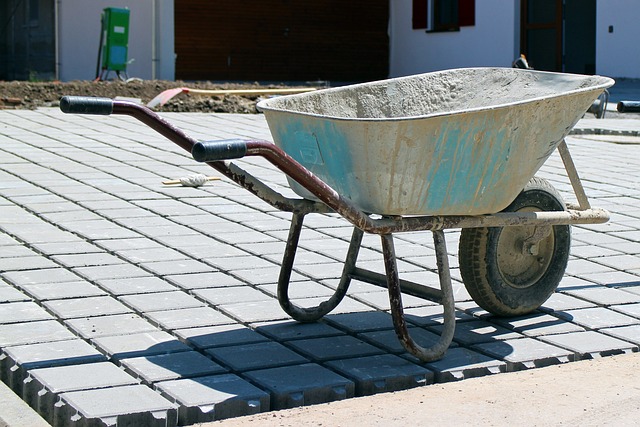
Key Hardscape Elements
Patios: A well-designed patio can transform your garden into an outdoor living space. Consider its size, shape, and orientation in relation to your home.
I would also suggest taking into account how much sunlight it will receive, something which influenced our most recent patio build. Now our patio is the perfect place to relax and entertain guests…or simply enjoy a glass of wine whilst taking in the beauty of the garden.
Paths: Paths guide visitors through your garden, leading them to different areas of interest. When designing paths, consider factors like width, materials, and the overall flow of your garden.
A winding path can create a sense of mystery and intrigue. A straight path can lead the eye to a focal point. This could be a feature wall, prized plant or water feature.
Walls and Retaining Walls: Walls and retaining walls can create different levels in your garden. They add privacy and support plants. They can also be used to create a focal point or more often, to define different areas within your garden.
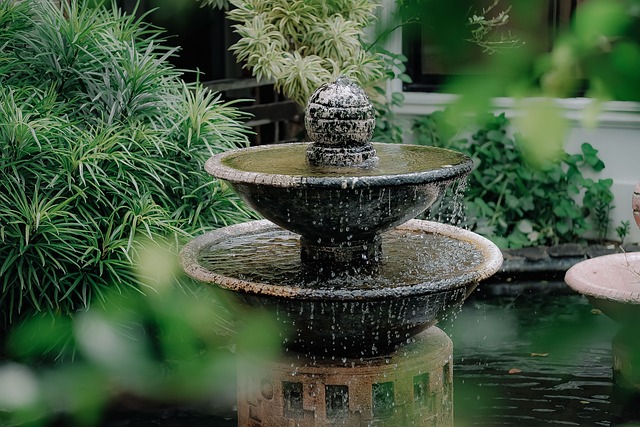
Water Features: A water feature can add a calming and serene ambiance to your garden. The sound of flowing water can be soothing and relaxing. Consider a pond, a fountain, or a small stream to enhance your garden’s appeal.
Outdoor Lighting: Well-placed outdoor lighting can transform your garden into a magical space. Consider using different types of lighting, such as path lights, spot lights, and string lights.
Winter Hardscaping Tasks
While winter may seem like a less-than-ideal time for gardening, it’s actually an excellent opportunity to prepare your garden for the upcoming seasons.
Before jumping head-first into your home landscaping project, here are some other tips I’d recommend undertaking:
- Soil Preparation: Before laying any hardscaping materials, make sure the ground is well-drained and free of debris. Proper soil preparation will contribute to the longevity and stability of your hardscape.
- Consult a Professional: For complex projects or challenging terrain, consider consulting a landscape designer. A professional can offer expert advice and help you create a garden that meets your specific needs and preferences.
- Obtain Necessary Permits: Before starting any major hardscaping project, check local regulations and obtain the necessary permits. This will ensure that your project complies with building codes and zoning laws.
Most importantly, don’t be overawed by starting a landscaping project. This should be fun, it should be exciting and it should be something to look forward to.
Of course, it is all gets too much, just hire in a professional. No one would judge you 😉.
 The Landscape Link
Leave a comment