
Picture this. You have the family and friends coming round to yours for some drinks and a BBQ. They step out into your garden, look across the lawn and notice perfectly pristine lines where you’ve cut the grass. Oh the sense of pride.
A well-manicured lawn is the pride of any garden. Mowing is without doubt one of the most fundamental tasks in lawn care. While it might seem simple, there are a few key techniques to ensure your lawn looks its best.
In this post we cover some simple yet common questions, such as the best time to mow. What the right mowing height is. And more.
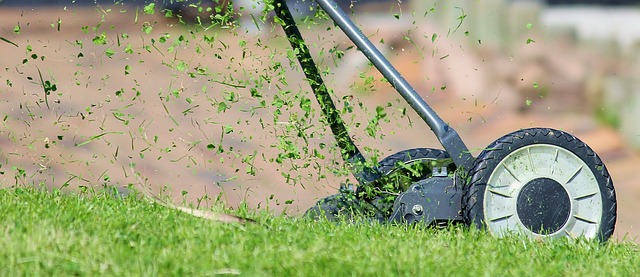
When’s the best time to mow your lawn?
The ideal time to mow your lawn is in the morning or late evening. This is when the grass is cool and moist, which in turn reduces the stress on the grass blades. It also helps prevent moisture loss.
How often should you mow your garden lawn?
The frequency of mowing your garden lawn depends on various factors. Things like the grass type, weather conditions, and growth rate.
As a general rule of thumb, aim to mow your lawn when the grass blades are about a third longer than your desired height. Avoid cutting more than a third of the blade at a time, as this can stress the grass.
What is the right lawn mowing height?
The ideal mowing height varies based on the type of grass. However, a good general rule is to keep your lawn between 2.5 and 3.5 inches tall.
Why? Because slightly longer blades will shade the soil, which in turn retains moisture, and helps crowd out weeds.
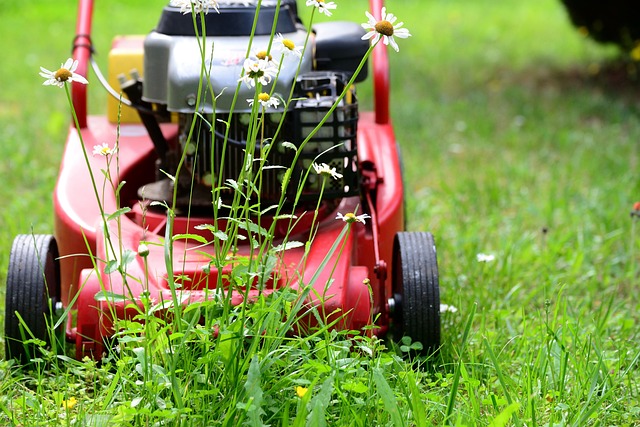
How do I choose the right lawn mower?
Let’s be frank. Most lawn mowers you can buy on the market are pretty reliable. The key consideration when choosing a mower is to consider the size of your lawn and general terrain.
For example, smaller lawns may simply require a manual reel mower, which is an eco-friendly option too. For larger lawns, a petrol or electric mower is likely to be more suitable.
Regardless of what you choose, a sharp mower blade (or new wire) is crucial for a clean cut. A blunt blade can tear the grass, making it more susceptible to disease.
What are the best mowing techniques for a perfect lawn?
- Avoid Wet Grass: Mowing wet grass can lead to clumping and disease. It will also require you spend more time cleaning your mower once finished.
- Vary Your Mowing Pattern: Alternate your mowing pattern each time to prevent soil compaction.
- Mulch Your Clippings: If your clippings are short, leave them on the lawn to decompose. Granted, it may not look pretty. But over time the clippings will provide vital nutrients to the soil. This is all the more important if you don’t feed your lawn with a fertiliser throughout the year..
- Water Wisely: Water your lawn deeply and infrequently to encourage deep root growth.
Any other tips for a healthy lawn?
Well yes now you ask.
- Fertilise Regularly: Even if you do leave your clippings on the lawn, fertilising provides essential nutrients for healthy growth. Choose a fertiliser specifically formulated for your grass type and apply it according to the package instructions. Even better if you can find an organic fertiliser.
- Aerate Your Lawn: Aeration reduces soil compaction and improves air and water penetration.
- Overseed: By overseeding, you can fill in bare patches and thicken your lawn.
- Control Weeds: Regularly weed your lawn to prevent weed encroachment.
Follow these simple rules and we guarantee your lawn will be healthy and looking sharp! When you next host that BBQ or summer drinks party, you’ll be the envy of your guests!
Just remember, consistent care and attention are key.
 The Landscape Link
Leave a comment