
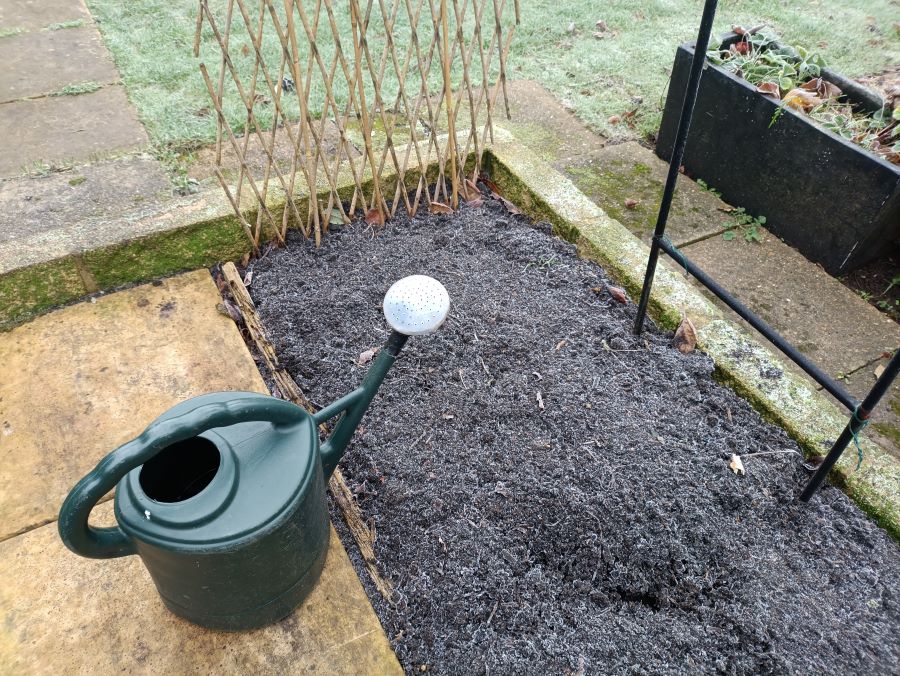
Winter may seem like a dormant period for your garden. But it’s crucial to remember that plants still require some level of moisture, even when the temperatures drop.

There are two fundamental differences to summer and winter watering. Summer watering primarily focuses on preventing drought and provides essential hydration. Winter watering aims to protect plants from frost damage, reduce winter stress, and establish strong root systems for vibrant spring growth.
Winter Watering Plants – Why it Matters
You might be surprised to learn that winter watering plays a vital role in the overall health of your garden.
- Frost Protection: Extreme cold can damage your plants roots. Yet maintaining adequate soil moisture is key to act as a natural insulator.
- Reduced Winter Stress: Consistent moisture helps plants withstand the harsh winter conditions. This includes strong winds, fluctuating temperatures, and prolonged periods of freezing, something we get a lot of in the UK!
- Stronger Spring Growth: Winter watering encourages roots to grow deeper. This is important as it enables plants to access essential nutrients and moisture more effectively when spring arrives.
- Preventing Drought Stress: Even in winter, periods of thaw can occur, leading to drought stress if the soil is dry. Consistent watering helps prevent this, ensuring your plants remain healthy throughout the colder months.
Understanding Your Garden’s Unique Needs
The frequency and amount of winter watering will vary depending on several factors:
- Plant Types: Evergreen plants, such as conifers and rhododendrons, require more consistent moisture than deciduous plants, which lose their leaves in winter.
- Soil Type: Sandy soils tend to dry out more quickly than clay soils. Clay soils, on the other hand, can become waterlogged, which can damage plant roots.
- Climate and Weather Conditions: In regions with heavy snowfall, less frequent watering may be necessary. In milder climates with occasional rain, less supplemental watering may be required.
- Rainfall Patterns: Monitor your local rainfall patterns. Without pointing out the obvious, if there has been rainfall, change your winter watering schedule as necessary.
Effective Winter Watering Techniques
- Deep and Infrequent Watering: The key to successful winter watering is to water deeply and infrequently. As already highlighted, this encourages deep root growth, allowing plants to access moisture even when the surface of the soil is frozen. Use a soaker hose or drip irrigation system to deliver water slowly and evenly to the root zone. Avoid shallow watering, as this only moistens the surface of the soil and does not reach the deeper roots.
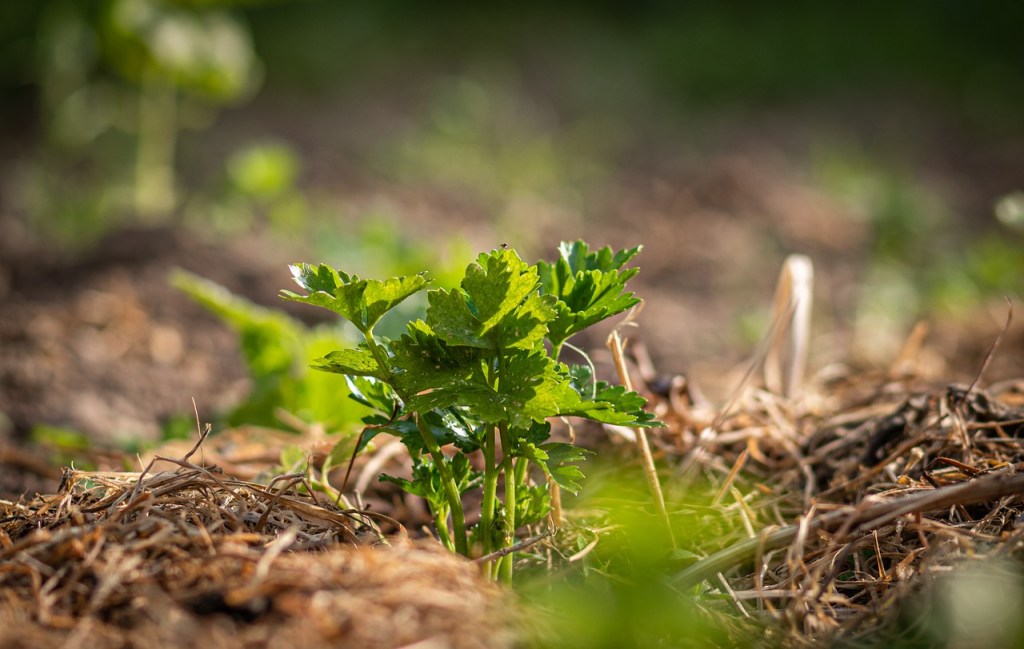
- The Power of Mulch: Applying a layer of mulch around the base of plants is one of our top tips for maintaining healthy plants. This is beneficial both during the winter months but also the summer. Mulch helps to retain soil moisture, regulate soil temperature, and suppress weeds. Organic mulches, such as wood chips, bark chips, and pine needles, provide excellent insulation. Avoid piling mulch directly against the stems of trees and shrubs, as this can promote rot.
Special Considerations for Winter Watering
- Winter Watering for Evergreens: Evergreen plants, with their constant foliage, are more susceptible to winter drought stress. Monitor their moisture levels closely and water deeply when necessary. Consider using anti-desiccant sprays to reduce moisture loss from evergreen foliage.
- Extreme Conditions: In regions with heavy snowfall or prolonged freezing periods, avoid excessive watering. Over-watering can lead to ice formation around plant roots, which can cause damage. Water thoroughly before a prolonged freeze to provide adequate moisture for the plants.
Watering Tools and Techniques
- Soaker Hoses: Soaker hoses are an excellent tool for winter watering. They deliver water slowly and evenly to the root zone, minimising water waste and reducing the risk of runoff.
- Drip Irrigation Systems: Drip irrigation systems are highly efficient for winter watering. They deliver water directly to the root zone, minimising water loss through evaporation.
- Hand Watering: Hand watering can be effective for small areas and individual plants. However, ensure you water deeply and avoid splashing water on the foliage, as this can encourage the spread of diseases.
Tips for Water Conservation
- Collect rainwater: Install a rain butt to collect rainwater and use it to water your garden during the winter months.
- Use greywater (with caution): Consider using greywater (from washing machines or sinks) to water non-edible plants.
- Check for leaks: Regularly check your irrigation system for leaks and repair them promptly to conserve water.
Winter watering is an important consideration for any budding gardener. With just a few minutes of care and consideration weekly, your garden will be well-prepared to thrive in the spring.
 The Landscape Link
Leave a comment